

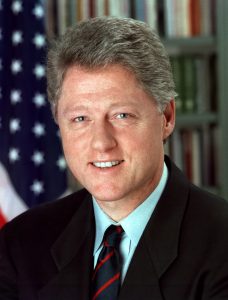
During the late 1990s, the fragile peace established after the Persian Gulf War repeatedly threatened to collapse over Iraq’s defiance of international mandates. Since 1996, and continuing through 1997 and 1998, Saddam Hussein’s regime regularly obstructed and halted the United Nations weapons inspections regime. This obstruction provoked a series of escalating diplomatic confrontations between Baghdad and the coalition of the United States, Great Britain, and UN officials. In response, the Clinton administration repeatedly threatened to resort to military action unless unfettered inspections were permitted to resume.
The Air Campaign and Strategic Objectives
The standoff reached its breaking point in December 1998, when the United States and Great Britain launched Operation Desert Fox. The operation, which President Bill Clinton named without regard for the historical World War II German military association of the term, was executed as a rapid, four-day campaign of massive air strikes and bombings.
The chief strategic objectives of Operation Desert Fox were highly focused: to degrade Iraq’s facilities dedicated to the research and development of unconventional mass weaponry (weapons of mass destruction) and to weaken Saddam Hussein’s elite military force, the Republican Guard. While the long-term effectiveness of the containment strategy remained a point of debate, David Kay, the future director of the post-2003 Iraq Survey Group, later reported his belief that the Desert Fox strikes had successfully destroyed Iraq’s remaining unconventional weaponry facilities.
Domestic Turmoil and the “Wag the Dog” Allegations
While the military carried out its strikes, the operation became deeply entangled in a historic domestic political crisis in Washington. The bombing campaign commenced in mid-December 1998, a time when President Clinton was heavily embroiled in the Lewinsky scandal and facing imminent impeachment proceedings in Congress. The highly charged political atmosphere prompted immediate accusations of ulterior motives.
Critics from various political quarters launched fierce attacks against the administration. Republicans in Congress, alongside remnants of the campus-based leftists who had historically opposed the Vietnam War, denounced the campaign as a cynical, theatrical maneuver to distract the public and Congress from the impeachment vote. Critics derisively labeled the operation “Monica’s war” or invoked the premise of the 1997 film Wag the Dog, in which a president fabricates a foreign conflict to distract from a domestic sex scandal.
This intense domestic skepticism forced senior military and defense officials to defend the operational integrity of the mission. Defense Secretary William Cohen, a former Republican senator, flatly rejected the “wag the dog” slurs. Cohen went so far as to tell members of Congress that he would have resigned his post immediately if he harbored any belief that the president was utilizing U.S. military power for personal or political self-preservation rather than vital national security.
Geopolitical Fallout and Strategic Debates
The international response to Operation Desert Fox further illustrated the fracturing of the post-Cold War consensus. Russia, China, and France strongly objected to the joint U.S.-British bombing campaign and used the opportunity to demand the lifting of the eight-year-old oil sanctions that had been imposed on Iraq.
Even among Western foreign policy elites, the strikes provoked sharp strategic disagreements. While some commentators viewed the four-day campaign as a necessary and proportionate response to Saddam’s recalcitrance, former Secretary of State Henry Kissinger offered a highly critical appraisal. Kissinger argued that the limited nature of the bombing was not nearly as severe as the situation demanded, declaring that such localized air strikes would not make a “significant difference” in neutralizing Saddam’s long-term threat.
Ultimately, Operation Desert Fox stood as a critical, transitional marker in U.S. foreign policy. It highlighted the limits of using air power alone to enforce international mandates and demonstrated how deeply the legal and strategic execution of American military engagement had become hostage to the polarized theater of domestic politics.