
In the opening days of the First World War, Great Britain cut Germany’s transatlantic telegraph cables. This crucial strategic action severely disrupted the German Empire’s communications, forcing its diplomats to rely on alternative, less secure routes and unreliable foreign intermediaries to carry their messages, which left them highly vulnerable to British espionage. In an ironic twist of diplomatic courtesy, the United States government allowed the German Foreign Office to transmit coded diplomatic dispatches over the American transatlantic cable network, hoping to facilitate peace talks. German Foreign Secretary Arthur Zimmermann, however, systematically abused this American hospitality. On January 16, 1917, Zimmermann cabled his mission in Mexico City with an explosive, encrypted proposal designed to prepare Germany’s path for a looming geopolitical conflict.
The telegram’s contents outlined a strategic gamble that Germany intended to unleash upon the world. It began by announcing that the German military would commence unrestricted U-boat warfare on February 1, 1917. Fearing that this aggressive campaign would inevitably draw the United States out of its neutrality, Zimmermann directed the German minister to Mexico, Heinrich von Eckhardt, to propose a secret military alliance with the Mexican government of President Venustiano Carranza. Germany offered a partnership based on the simple directive to “make war together, make peace together,” backed by generous German financial support. In exchange for Mexico declaring war against the United States, Germany promised to assist the country in reconquering its lost territories in Texas, New Mexico, and Arizona. Furthermore, Zimmermann urged Mexico to act as an intermediary to draw Japan into this anti-American alignment, despite Japan being allied with Great Britain at the time.
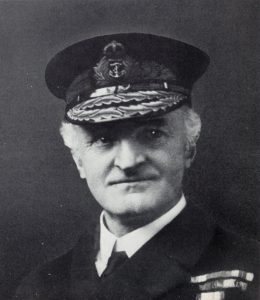
Unbeknownst to Berlin, British cryptographers at Room 40 of the Admiralty had tapped the American cable network and were actively monitoring transatlantic communications. Led by the Director of Naval Intelligence, Captain William Reginald Hall, the spymasters intercepted Zimmermann’s coded transmission and quickly deciphered it. However, possession of this intelligence created a harrowing dilemma: the British could not simply hand the decoded text to the United States without admitting that they were systematically spying on Washington’s own diplomatic cables. To cover the code-breaking operation and protect their methods, British intelligence agents successfully stole a decoded copy of the telegram directly from the German embassy in Mexico City. By comparing the stolen copy with the intercepted cable, London was able to verify the text and construct a plausible cover story before delivering the intelligence to U.S. authorities.
On February 23, 1917, the British Admiralty delivered the decoded telegram to Walter Hines Page, the American Ambassador in London, who immediately flashed it to the State Department in Washington. President Woodrow Wilson received the text the following day, and while his public demeanor remained quiet and cautious, the intelligence removed any doubt that the nation would soon be forced to enter the war. To verify the telegram’s authenticity, Secretary of State Robert Lansing checked the British decode against the coded German message already on file in the State Department’s cable intercepts. Although Wilson initially kept the explosive news confidential—withholding it even from crucial congressional leaders during legislative briefings—the rapid escalation of the naval war forced his hand. By the end of February, German U-boats had sunk an unprecedented 781,500 tons of Allied shipping, shattering the administration’s hopes of maintaining neutrality through “watchful waiting”.
On March 1, 1917, an infuriated President Wilson officially released the text of the Zimmermann Telegram to the American press, triggering an immediate and massive public outrage. The prospect of a hostile military alliance on the southern border and the partitioning of Texas, New Mexico, and Arizona struck a raw nerve, making the European conflict suddenly reach out and touch the lives of ordinary citizens. While some anti-war groups and German-American organizations desperately insisted that the dispatch was a mendacious British hoax engineered to force the United States into the war, Arthur Zimmermann himself made a fatal diplomatic blunder. On March 3, the German foreign secretary publicly acknowledged that he had indeed sent the proposal to Mexico, instantly silencing his defenders and solidifying anti-German sentiment across the country.
The strategic blowback of the Zimmermann Telegram was swift and decisive. It swept away legislative resistance on Capitol Hill, leading the House of Representatives to overwhelmingly pass an armed-ships bill by a lopsided margin of 403 to 13. It also validated the long-standing warnings of interventionists like former President Theodore Roosevelt, who had spent years warning of a potential conflict where a hostile European power backed Mexico and Japan against the United States. By revealing the absolute duplicity of the German High Command and threatening the direct dismemberment of the American nation, the intercept destroyed any remaining support for neutrality. On April 2, 1917, Woodrow Wilson stood before Congress to ask for a formal declaration of war, officially bringing the United States into the global conflict and initiating the massive mobilization of forces that would ultimately secure the defeat of the German Empire.