

In the late fall of 1854, the political landscape of Illinois was in a state of chaotic transition. The passage of the Kansas-Nebraska Act, spearheaded by Senator Stephen A. Douglas, had shattered the existing party system, provoking a fierce backlash across the North and aligning diverse political factions against the expansion of slavery. Reinvigorated by this moral and constitutional crisis, Abraham Lincoln emerged as a leading contender for the U.S. Senate seat held by James Shields. Re-entering the political arena with relentless focus, Lincoln and his wife, Mary, actively coordinated a campaign to secure the seat, which would be decided by the newly elected General Assembly in January 1855. Immediately following the November elections, Lincoln began writing a torrent of letters to influential political figures across the state, seeking committals of support.
Despite Lincoln’s early momentum, his campaign faced significant hurdles, particularly from the more radical anti-slavery elements in northern Illinois. Activists and editors like Zebina Eastman of Chicago’s The Free West viewed Lincoln with suspicion, dismissing him as a moderate “Compromise Whig” who was too closely attached to the dying Whig Party and unwilling to take a sufficiently aggressive stand against the Fugitive Slave Law. As the winter deepened, Lincoln grew increasingly anxious about this lack of support in the northern counties. His concern turned to acute alarm when his closest political allies in Chicago stopped responding to his letters altogether. Cut off from the vital northern metropolis, Lincoln found himself operating in a dangerous informational vacuum on the eve of the legislative session.
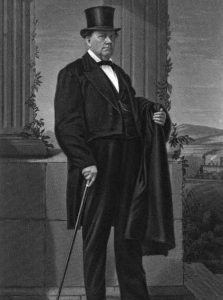
To pierce this silence and discover what was happening behind the scenes in Chicago, Lincoln turned to his chief legislative sponsor, Congressman Elihu B. Washburne of Galena. Washburne, a former Whig who had volunteered to coordinate Lincoln’s northern campaign, was an ambitious, obstinate, and belligerent political fighter who possessed a deep streak of practical common sense. Lincoln had previously relied on Washburne to write to northern legislators, explaining to the congressman in December that he hesitated to contact them directly “lest some of them should be offended by the indelicacy of the thing—that is, coming from a total stranger”. Now, with Chicago cloaked in silence, Lincoln placed a highly sensitive assignment in Washburne’s hands.
On December 14, 1854, Lincoln dispatched a letter to Washburne detailing his growing anxieties. “There must be something wrong about U.S. Senator, at Chicago,” Lincoln wrote frankly. “My most intimate friends there do not answer my letters; and I can not get a word from them.”. To break the deadlock, Lincoln instructed the Galena congressman to covertly “pump” John Wentworth, the highly influential and fiercely independent Anti-Nebraska Democrat representing Chicago, to discover exactly what was amiss. Wentworth—popularly known as “Long John” due to his towering 6-foot-9 frame—stood as a gatekeeper to Chicago’s anti-Nebraska delegation, and Lincoln knew that discovering his private inclinations was critical to unlocking the northern vote.
Washburne immediately executed the directive, using his political leverage to run a quiet counter-intelligence operation on Wentworth and lobbying skeptical northern editors to reconsider Lincoln’s candidacy. He reassured suspicious abolitionists that Lincoln was “with us in sentiment” and possessed the “entire confidence of all men of all parties”. Working alongside other key allies like William H. Herndon, Charles Henry Ray, and Joshua Giddings, Washburne successfully dismantled the northern opposition, eventually winning over both Eastman and Owen Lovejoy to Lincoln’s column.
Ultimately, although Lincoln’s exhaustive December campaign successfully united the Whig and Free Soil factions behind his name, the Senate seat would elude him. During the dramatic balloting in February 1855, the pro-Nebraska Governor Joel Matteson mounted a formidable bid backed by suspected bribery, forcing Lincoln to make a painful sacrifice. To guarantee that the seat did not fall to a supporter of the Kansas-Nebraska Act, Lincoln instructed his supporters to abandon his candidacy and vote en masse for Lyman Trumbull, securing Trumbull’s election. While this defeat plunged Lincoln into a temporary depression, the clandestine networks, strategic alliances, and bridges built to northern Democrats during the December 1854 campaign laid the structural foundations for the birth of the Illinois Republican Party and the ultimate political resurrection of Abraham Lincoln.