

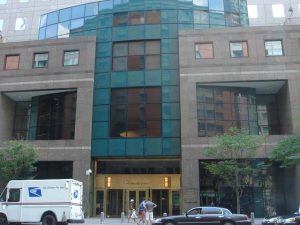
Let us delve further into the specific circumstances surrounding the Bank of America-Merrill Lynch merger and the national controversy it ignited in early 2009. This event, as the sources clearly convey, became a stark illustration of the profound financial turmoil and the contentious role of government intervention during that period.
The controversy erupted with undeniable force when Bank of America (BofA) found itself in immediate need of an additional $20 billion bailout from the government shortly after its merger with Merrill Lynch was finalized. This sudden and substantial demand for taxpayer funds, following such a high-profile corporate acquisition, prompted Treasury Secretary Paulson to famously—and quite bluntly—label the situation as “the turd in the punchbowl”. This vivid, unflattering metaphor perfectly encapsulated the government’s frustration and the public’s dismay at what appeared to be a deeply problematic deal requiring yet another costly rescue.
The outrage among the public intensified dramatically when it was revealed that Merrill Lynch had proceeded to disburse billions of dollars in bonuses to its employees just before the merger was completed. This act was perceived as deeply irresponsible, if not outright offensive, given the dire financial state of the firm and the subsequent need for public funds to keep BofA afloat. Such revelations led directly to a series of investigations and congressional hearings. These proceedings, rather unceremoniously, “pulled back the curtain” on the previously confidential negotiations that had taken place between high-ranking government officials and these major financial institutions. The transparency, while perhaps belated, further fueled public anger by exposing the inner workings and private understandings behind these massive financial interventions.
To fully grasp the context of this controversy, it is important to understand the backdrop against which the merger took place. The sale of Merrill Lynch to Bank of America had been initially presented to the public in September of the preceding year as a necessary measure to “save” Merrill. However, the sources indicate that in the months leading up to the December 5 shareholder approval of the deal, Merrill Lynch’s financial health was rapidly deteriorating. The firm was experiencing “ballooning trading losses,” a significant “weakening asset management business,” and had to undertake “additional write-downs on deteriorating assets”. This implies that the situation Merrill found itself in was far more precarious than publicly acknowledged at the time the merger was initially framed as a rescue.
Adding layers to this complex narrative, the behind-the-scenes machinations were fraught with tension and high stakes. Ken Lewis, the Chief Executive Officer of Bank of America, had reportedly “threatened to withdraw from the agreement” as the true extent of Merrill’s issues became clearer. Yet, both Paulson and then-Federal Reserve Chairman Bernanke “pressed him to finalize the deal,” with the implicit understanding that his very “job could be at stake” if he failed to comply. This illustrates the immense pressure exerted by government officials to see the merger through, underscoring their concern for broader systemic stability. Following the merger, John Thain, Merrill Lynch’s CEO, was “subsequently removed from his position” and, perhaps unfairly, was “recast as the primary cause of the firm’s woes”. This public narrative persisted, even though there were “indications that Bank of America was already aware of the underlying problems” at Merrill Lynch but “chose not to disclose them” to the public. Further exacerbating the public relations nightmare was the report that Thain had sought a bonus of “up to $40 million,” a request that even a Merrill director on the compensation committee found “ludicrous”.
In a broader sense, this episode was a significant moment within the larger financial crisis of 2007-2009, highlighting the paradigm of “too big to fail”. The government’s actions, while framed as necessary to protect the economy, inadvertently reinforced the perception that certain institutions would always be backstopped by taxpayers, potentially encouraging risky behavior. The crisis of this era pushed the Federal Reserve into an unprecedented role as “lender of last resort to the entire financial system”, expanding its balance sheet by hundreds of billions to purchase illiquid assets. This and similar government interventions during the crisis led to a “national debate” about the future of capitalism and the appropriate role of government in the economy. The “paradox of the bailout” was stark: while aiming to restore confidence and prevent collapse, it perversely had the opposite effect initially, as investors’ “animal spirits ran wild” amidst the chaos. Indeed, the Bank of America-Merrill Lynch merger’s unraveling played a pivotal role in shaping this debate, serving as a potent symbol of the complexities and unintended consequences of governmental attempts to stabilize an imperiled financial system.