

Allow me to illuminate the specifics of the 2011 event in Arizona, where voters enacted a public financing system for elections following the “AzScam” political scandal. This is a significant moment in the ongoing narrative of public attempts to rein in the influence of money in politics, and the judicial responses to such efforts.
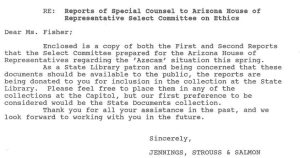
The impetus for this electoral reform in Arizona was a political scandal dubbed “AzScam”. This incident involved “a number of legislators” who were “caught accepting bribes and embezzling”. Such flagrant acts of corruption naturally fueled public demand for a more integrity-driven political landscape.
In direct response to this scandal, Arizona voters chose to implement a public financing system for their elections. The design of this system was quite specific: candidates who opted to participate in the program would initially receive public funds. Furthermore, if an opposing candidate, who was privately financed, saw their personal expenditures combined with independent groups’ expenditures surpass this initial public allotment, the publicly funded candidate would then receive “matching funds”. This matching provision was capped at “twice the initial grant”.
The underlying philosophy behind establishing such a system was multifaceted. Proponents believed it would “enhance First Amendment rights by facilitating debate”, thereby allowing “more candidates to participate in politics”. In essence, it was designed to “reduce candidates’ reliance on big money, and [give] small donors a greater voice within our political system”. The aim was to foster a more level playing field and to diminish the corrupting influence that large financial contributions can have on the democratic process.
However, this publicly enacted system faced a significant legal challenge. Petitioners, led by the “Arizona Free Enterprise Club,” contested the constitutionality of the matching funds provision. Their argument hinged on the assertion that this mechanism “penalize[d] their speech and burden[ed] their ability to fully exercise their First Amendment rights”. This line of reasoning often surfaces in debates around campaign finance, where limits on spending are argued to be limits on free speech itself.
The Supreme Court’s subsequent ruling on this matter was impactful. By electing to invalidate a system “that enhanced political discourse” and “reduced candidates’ reliance on big money”, the Court departed from what the sources describe as “previous precedent”. This decision, in the view of the sources, “significantly limited our options for countering the influence of big money” and implicitly underscored a judicial perspective that prioritizes certain forms of “free speech” in campaign finance over goals like electoral “equality” or reducing the perception of corruption.
This particular case, like others across the United States, highlights the persistent tension between the desire for robust, publicly funded democratic processes and interpretations of constitutional rights that can inadvertently empower “big money” in politics. It also demonstrates how legal frameworks and judicial interpretations play a crucial role in shaping the actual mechanics of elections and the power dynamics within them, even when popular sentiment seeks to curb the influence of wealth. The ongoing presence of corruption concerns in American government at various levels underscores why such reforms are continuously sought, even as they face legal and political hurdles.