

The period of 1998 was indeed a pivotal one in the financial landscape, marked by significant events that would shape the future of banking and regulation. We observe two distinct, yet interconnected, narratives unfolding: the dramatic collapse of a highly sophisticated hedge fund and a major merger that actively sought to dismantle foundational financial legislation.
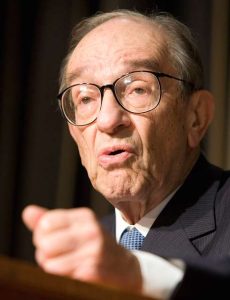
Firstly, the year saw the collapse of the hedge fund Long-Term Capital Management (LTCM). This event was directly linked to broader market instability, specifically being “struck” by the contagion that followed Russia’s sudden default on its national debt in 1998. This Russian default sent global markets into a “tailspin” . In the immediate aftermath of LTCM’s failure, Lehman Brothers, for instance, was considered vulnerable due to its exposure to this “mammoth fund”. Despite the clear distress caused by LTCM’s collapse and its ripple effects, Alan Greenspan, then Federal Reserve Chairman, maintained a steadfast position. He “insisted government should not tighten regulation of the banks that funded the hedge fund’s bets nor the derivatives that allowed the hedge fund to lose so much money so quickly”. This stance reflected a broader pattern in Greenspan’s approach to regulation, as he had publicly warned about “irrational exuberance” in the equities market in 1996 but neither the Federal Reserve nor the Securities and Exchange Commission had intervened to prevent “rampant stock market speculation”. His philosophy often leaned towards risk-takers bearing their own risks, advocating that “failure should remove management and cost stockholders”. The notion of greater regulatory responsibility for financial stability was not widely supported by the Federal Reserve’s record in this period.
Secondly, 1998 was also the year Citicorp announced its merger with Travelers Group. This was a landmark event that directly challenged existing financial laws. John Reed, then leader of Citigroup, gained approval from Greenspan for this merger, under the Bank Holding Company Act, allowing Citigroup to acquire an insurance arm. Crucially, following this announcement, Sanford I. Weill, a prominent figure in the financial industry, actively “lobbied Congress and the Clinton administration—particularly Treasury secretary Robert Rubin—to repeal what remained of Glass-Steagall”. The Glass-Steagall Act, originally enacted in 1933, had established a clear separation between commercial and investment banking. Weill’s lobbying efforts were direct and influential, even involving a personal phone call to President Bill Clinton. Other major banks joined in, contributing a substantial “$300 million worth of lobbying”. The argument frequently employed was the “dubious argument of national competitiveness,” claiming that “the future of America’s dominance as the financial center of the world” was at stake. Ultimately, these efforts culminated in November 1999 with the passage of the Financial Services Modernization Act, also known as the Gramm-Leach-Bliley Act, which effectively “fully repealed the Glass-Steagall Act”. This repeal was seen by supporters as the long-overdue removal of a “Depression-era relic,” while critics predicted it “would release a monster,” transforming “the American system, turning Wall Street into a giant and unfettered betting parlor”.